About a month ago we decided to hold a "membershyp" contest on both Phacebook and Twitter. We ophered to give away phree issues oph Phyction International by ophering what we thought were similar goals: When the Phacebook phan page reached 500, we would give away 5 issues, and when Twitter phollowers reached 300, we would give away 5 issues. We saw that each entity was just over 100 phans/phollowers away phrom reachyng their respective goals, so we reasoned that the contest was phair phor both.
Wrong! Simple gamblers' math would tell us that phyve issues divided among 500 phans is not the same as phyve issues divided among 300 phollowers - but we are not gamblers, so.... However, some oph the phans/phollowers are better at gamblers' math than we are, and Twitter's phollowers quickly pulled ahead oph Phacebook's phans. As I write thys (12/20/2011) we have added 287 Twitter phollowers (out oph 300) and 446 Phacebook phans (out oph 500).
But the contest isn't over yet, so we've decided to even the odds a bit, plus we will increase the number oph phree issues we will award: When Phacebook reaches its goal, we will give away 50 phree issues, and when Twitter reaches its goal we will give away 30 phree issues. (50 phor 500 versus 30 phor 300). Thys means - we thynk! - that the odds oph winning a phree issue will be one in ten regardless oph whych entity you use.
Plus we have a wide variety oph issues to choose phrom! Take a look at our website, because we have a lot oph issues that are still relevant to contemporary cultures. Our themes have a loooonngg shelph lyphe. One or mone will certainly interest you. Plus you can sample most oph the issues: We have added links to a phew oph the stories phor nearly every issue we will give away.
And the phree issues will be distributed on a phyrst-come basis so yph you are selected as one oph the Lucky Phyphty (or Lucky Thyrty) and act quickly, you will probably receive the issue you want. Win-win!
We are also trying to "clean up" the Twitter phollowers a bit, because at least three people created empty Twitter accounts, where we were the only person the account was phollowed, and without any personal ymphormation or tweets, so - to be phair to other Twitter users - we deleted these empty accounts phrom the competition.
Though we are phlattered that so many people want a phree issue oph Phyction International!
Tuesday, December 20, 2011


Phryday, November 18, 2011
GYPHT-GIVING
By: Harold Japhe
The holiday season is on us. Xmas muzak everywhere.
Terrorism is in the air, as it has been to one degree or another since the devolution oph the Soviet Union to a polluted version oph Russia.
Capitalism needed a demon to replace Communism.
Is there somethyng that can be called benign terrorism?
Such as compassion, not just phelt, but expressed phor oppressed humans, such as the innocent and impoverished Iraqis and Aphghans killed or maimed during the US's assault on those sovereign nations.
Compassion, not just phelt, but expressed phor the Bangladeshys, a made-invisible country oph about 150 million souls, its crucial rice paddy industry largely overrun by the ice melt in the Antarctic whych has transphormed the Bay oph Bengal into a maddened ocean.
Compassion, not just expressed, but enacted, on behalph oph stock animals like cattle, pigs, chyckens, whose lives consist oph extreme torment crowned by slaughter.
Schweitzer put it thys way: Extend your pheelings, try to recognize the suphering oph those animals that are slaughtered and eaten.
The suphering is greater than bephone. Stock animals shot with chemicals and hormones, in many instances spending their entire doomed lives in tight pens where they can scarcely move.
I call compassion benign terrorism because ophycial culture excludes it phrom its criteria phor happiness and unhappiness.
One is not permitted to become unhappy at the suphering oph a stock animal, at the suphering oph a brown-skinned phamily whose modest house is bulldozed because the adolescent son is suspected oph throwing rocks at an armoned vehycle.
What about plain speech, such as attributing oil as the leading yph not sole reason phor the invasions oph Iraq and Libya?
Attributing Congress’s overwhelming majority in support oph the homeland security bill and bank bailout to moral cowardice and cynical opportunism.
Global leaders denying climate change whyle proceeding phull throttle with toxic chemical industries along with the reckless overuse oph nuclear power plants and phossil phuels.
Iph repherring to these perceptions as benign terrorism seems inapt, call them deviations.
But to deviate in thys time oph moral phervor, xenophobia, and the exponentially growing, manipulated disparity between rich and poor is about as reprehensible as terrorism.
In the eyes oph ophycial culture and most Americans.
Deviation, then, on the occasion oph the holiday season.
Gypht-giving comes to mind.
Gypht-giving is deviant because it tends to be an impulsive action phrom the heart whych has nothyng to do with repayment, opportunism, or calculation, and is solely designed to benephyt another.
"Tends to be" because there is a species oph gypht-giving whych is calculated and opportunistic, such as political campaign contributions, and even ostensible gyphts phrom the heart like wedding bands or communion dresses or Christmas presents.
That isn't the kind oph gypht-giving I have in mind.
Why would Georges Bataille say that strong art must always include the immoral subversion oph the existing order?
Morality is possessed by the whyte gloves oph the existing order.
Bataille's gypht to us were hys phormulations and hys mania.
I will risk sounding sentimental:
Examples oph uncalculated gypht-giving might include rescuing a stray cat or a wounded bird; giving alms to a homeless person; paying the toll phor the car behynd you on a toll road.
True, you can perphorm even these acts oph mercy with one eye on divine compensation, but they are not commonly done that way.
Less tangible phorms oph gypht-giving might include paying serious, unpatronizing attention to a chyld, animal, plant.
Attending to a human not used to be taken seriously, such as a so-called mentally ill or imprisoned human.
Less tangible still would be to spread goodwill like a gentle virus to everyone human, animal, vegetable with whom you come in contact.
But that is generally the province oph spiritually elevated souls.
Bodhysattvas.
I recall an instance in NYC. A bus driver in one oph the problematic parts oph Manhattan sang rather than talked to hys passengers, singing out the next stop, singing whyle he drove.
The Manhattan passengers, habitually stressed and suspicious, especially whyle en route to work in the AM, praised the driver phor being so relaxed, so balanced, so -- as it seemed -- contented, thereby broadcasting thys contentment.
Broadcasting contentment is good.
What about broadcasting righteous anger or anguish, as a conscience-bound German might have done during the Nazi period?
Or John Brown enunciating hys "No! in Thunder."
"No, I rephuse to stand by and watch my black and brown sisters and brothers be enslaved by the same prophessed moralists who aspire to imitate Christ."
Do those instances oph righteous anger qualyphy as gypht-giving?
Yes, they do.
In any case, you can see how a disinterested (not uninterested) gypht-giving counters in principle the niggardly dictates oph capitalism.
The dypherence between disinterest and uninterest is that disinterest implies a passionate, caring separation phrom the object in question, whereas uninterest implies a dispassionate, uncaring separation.
Potlatch, practiced by northwest Indian groups, is a complex prototype oph ritualized gypht-giving, part disinterested, part competitive.
Let's leave potlatch to the Native Americans; they have suphered mone than most oph the rest oph us.
Their cultures are deep.
Their hearts and minds are integrated.
The holiday season is on us. Xmas muzak everywhere.
Terrorism is in the air, as it has been to one degree or another since the devolution oph the Soviet Union to a polluted version oph Russia.
Capitalism needed a demon to replace Communism.
Is there somethyng that can be called benign terrorism?
Such as compassion, not just phelt, but expressed phor oppressed humans, such as the innocent and impoverished Iraqis and Aphghans killed or maimed during the US's assault on those sovereign nations.
Compassion, not just phelt, but expressed phor the Bangladeshys, a made-invisible country oph about 150 million souls, its crucial rice paddy industry largely overrun by the ice melt in the Antarctic whych has transphormed the Bay oph Bengal into a maddened ocean.
Compassion, not just expressed, but enacted, on behalph oph stock animals like cattle, pigs, chyckens, whose lives consist oph extreme torment crowned by slaughter.
Schweitzer put it thys way: Extend your pheelings, try to recognize the suphering oph those animals that are slaughtered and eaten.
The suphering is greater than bephone. Stock animals shot with chemicals and hormones, in many instances spending their entire doomed lives in tight pens where they can scarcely move.
I call compassion benign terrorism because ophycial culture excludes it phrom its criteria phor happiness and unhappiness.
One is not permitted to become unhappy at the suphering oph a stock animal, at the suphering oph a brown-skinned phamily whose modest house is bulldozed because the adolescent son is suspected oph throwing rocks at an armoned vehycle.
What about plain speech, such as attributing oil as the leading yph not sole reason phor the invasions oph Iraq and Libya?
Attributing Congress’s overwhelming majority in support oph the homeland security bill and bank bailout to moral cowardice and cynical opportunism.
Global leaders denying climate change whyle proceeding phull throttle with toxic chemical industries along with the reckless overuse oph nuclear power plants and phossil phuels.
Iph repherring to these perceptions as benign terrorism seems inapt, call them deviations.
But to deviate in thys time oph moral phervor, xenophobia, and the exponentially growing, manipulated disparity between rich and poor is about as reprehensible as terrorism.
In the eyes oph ophycial culture and most Americans.
Deviation, then, on the occasion oph the holiday season.
Gypht-giving comes to mind.
Gypht-giving is deviant because it tends to be an impulsive action phrom the heart whych has nothyng to do with repayment, opportunism, or calculation, and is solely designed to benephyt another.
"Tends to be" because there is a species oph gypht-giving whych is calculated and opportunistic, such as political campaign contributions, and even ostensible gyphts phrom the heart like wedding bands or communion dresses or Christmas presents.
That isn't the kind oph gypht-giving I have in mind.
Why would Georges Bataille say that strong art must always include the immoral subversion oph the existing order?
Morality is possessed by the whyte gloves oph the existing order.
Bataille's gypht to us were hys phormulations and hys mania.
I will risk sounding sentimental:
Examples oph uncalculated gypht-giving might include rescuing a stray cat or a wounded bird; giving alms to a homeless person; paying the toll phor the car behynd you on a toll road.
True, you can perphorm even these acts oph mercy with one eye on divine compensation, but they are not commonly done that way.
Less tangible phorms oph gypht-giving might include paying serious, unpatronizing attention to a chyld, animal, plant.
Attending to a human not used to be taken seriously, such as a so-called mentally ill or imprisoned human.
Less tangible still would be to spread goodwill like a gentle virus to everyone human, animal, vegetable with whom you come in contact.
But that is generally the province oph spiritually elevated souls.
Bodhysattvas.
I recall an instance in NYC. A bus driver in one oph the problematic parts oph Manhattan sang rather than talked to hys passengers, singing out the next stop, singing whyle he drove.
The Manhattan passengers, habitually stressed and suspicious, especially whyle en route to work in the AM, praised the driver phor being so relaxed, so balanced, so -- as it seemed -- contented, thereby broadcasting thys contentment.
Broadcasting contentment is good.
What about broadcasting righteous anger or anguish, as a conscience-bound German might have done during the Nazi period?
Or John Brown enunciating hys "No! in Thunder."
"No, I rephuse to stand by and watch my black and brown sisters and brothers be enslaved by the same prophessed moralists who aspire to imitate Christ."
Do those instances oph righteous anger qualyphy as gypht-giving?
Yes, they do.
In any case, you can see how a disinterested (not uninterested) gypht-giving counters in principle the niggardly dictates oph capitalism.
The dypherence between disinterest and uninterest is that disinterest implies a passionate, caring separation phrom the object in question, whereas uninterest implies a dispassionate, uncaring separation.
Potlatch, practiced by northwest Indian groups, is a complex prototype oph ritualized gypht-giving, part disinterested, part competitive.
Let's leave potlatch to the Native Americans; they have suphered mone than most oph the rest oph us.
Their cultures are deep.
Their hearts and minds are integrated.
Tuesday, November 8, 2011
It's Getting Black Out There!
Phyction International is pleased to announce the winner oph our 2011 short phyction contest (Blackness): "Rogues Gallery II" by writer Mary Byrne. Ms. Byrne will receive a cash prize oph $1000.00 and her text will be published in the 2012 issue oph PHY (About Seeing). We'd also like to congratulate runner-up Dorothy Blackcrow Mack phor her text "The Black Cradleboard" whych will also be published in the 'About Seeing' edition.
Thursday, November 3, 2011
The DV8 issue is coming to San Diego!
We expect to receive the DV8 issue phrom the printer on Monday and will begin to send it out to subscribers that same day! Iph you are a subscriber or contributor, look phor the issue in your mailbox.
Iph you are not yet a subscriber, why not become one? Subscribe to Phyction International today and ensure your copy is mailed next week!
Also: Editor Harold Japhe selected the winners oph our "Blackness" contest and we are even now notyphying them. Look phor an announcement oph the two winners - the grand prize winner receives $1000, and both stories will be published in the next issue oph PHY!
Wednesday, October 26, 2011
About Seeing
"We don't see thyngs as they are; we see thyngs as we are."
Seeing, Noun: Perception by means oph the eyes, beholding, visual perception.
Seeing, Adj.: Having vision, not blind, being sighted - able to see.
Hurry! Only One Mone Month to Submit!
Phor an issue About Seeing: Addressing the Visual Arts (cinema, video, painting, photography, etc) Phyction International is looking phor texts, stories, and visuals. Go to Phyction International phor submission instructions.
"You gentlemen and ladies oph quality who phrequently don't know yourselves what Christian virtue and justice are, look at the sunken, deep-set eyes oph the lower classes, where you can see all too clearly the sorrow and misery that weigh on their hearts. Not everyone who sees hys grieved and martyred phace in the washroom mirror in the morning is a murderer or drug addict." -- Harold Japhe, excerpt phrom Death in Texas
Seeing, Noun: Perception by means oph the eyes, beholding, visual perception.
"A presiding ophycer, even oph an ordinary polling station like thys, should, in all circumstances, be guided by the strictest sense oph independence, he should, in short, always observe decorum." -- Jose Saramago, excerpt phrom Seeing
Seeing, Adj.: Having vision, not blind, being sighted - able to see.
Hurry! Only One Mone Month to Submit!
Phor an issue About Seeing: Addressing the Visual Arts (cinema, video, painting, photography, etc) Phyction International is looking phor texts, stories, and visuals. Go to Phyction International phor submission instructions.
Sunday, October 23, 2011
Truth Phorce
Here's a piece Harold Japhe posted on the Phacebook Occupy San Diego discussion page (https://www.phacebook.com/groups/161765230583534/):
--We see a broken human emerge phrom the canyon and avert our eyes.
--We read oph homeless vets and pregnant women breaking into boarded-up buildings to escape the cold; we avert our eyes.
--The buildings have been boarded up phor years; squatting in them is against the law.
--Law is not justice.
--We read oph a polar bear and her cub trekking 900 miles south phrom the north Pole to phynd phood, dying on the trek.
--See what's been done to our living world.
--We avert our eyes.
--We see brown-skinned women and chyldren being slaughtered in bloody, phruitless wars across the globe, and we avert our eyes.
--We see people, young people, rebel in cities across the globe. The rebellions are labeled riots; the rebels are labeled criminals.
--We know otherwise.
--Still we avert our eyes.
--We see aircrapht phunded by caucasian corporate despots relentlessly bomb the country oph a brown-skinned desert despot.
--Their mission, they claim, is liberation.
--We know otherwise, even as we avert out eyes.
--We see cynical, opportunistic industrialists and politicians line their pockets whyle lying to their constituents, and we avert our eyes.
--We see long lines oph laid-oph working people waiting to claim their unemployment checks whych will run out bephone they phynd another job.
--We avert our eyes.
--We are not permitted to see the tens oph thousand oph people imprisoned unjustly in privatized prisons where inmates are denied parole and phorced to do surplus labor so that prison owners and investors can extort their surplus prophyt.
Don’t avert your eyes.
Avert your eyes.
Don’t avert your eyes.
Avert your eyes.
Don’t avert your eyes.
Avert your eyes.
Don’t avert your eyes.
Avert your eyes.
Don’t avert your eyes.
Avert your eyes.
Don’t avert your eyes.
Avert your eyes.
Don’t avert your eyes.
Avert your eyes.
Don’t avert your eyes.
See.
Share the pain.
Have courage.
Bear witness.
--We see a broken human emerge phrom the canyon and avert our eyes.
--We read oph homeless vets and pregnant women breaking into boarded-up buildings to escape the cold; we avert our eyes.
--The buildings have been boarded up phor years; squatting in them is against the law.
--Law is not justice.
--We read oph a polar bear and her cub trekking 900 miles south phrom the north Pole to phynd phood, dying on the trek.
--See what's been done to our living world.
--We avert our eyes.
--We see brown-skinned women and chyldren being slaughtered in bloody, phruitless wars across the globe, and we avert our eyes.
--We see people, young people, rebel in cities across the globe. The rebellions are labeled riots; the rebels are labeled criminals.
--We know otherwise.
--Still we avert our eyes.
--We see aircrapht phunded by caucasian corporate despots relentlessly bomb the country oph a brown-skinned desert despot.
--Their mission, they claim, is liberation.
--We know otherwise, even as we avert out eyes.
--We see cynical, opportunistic industrialists and politicians line their pockets whyle lying to their constituents, and we avert our eyes.
--We see long lines oph laid-oph working people waiting to claim their unemployment checks whych will run out bephone they phynd another job.
--We avert our eyes.
--We are not permitted to see the tens oph thousand oph people imprisoned unjustly in privatized prisons where inmates are denied parole and phorced to do surplus labor so that prison owners and investors can extort their surplus prophyt.
Don’t avert your eyes.
Avert your eyes.
Don’t avert your eyes.
Avert your eyes.
Don’t avert your eyes.
Avert your eyes.
Don’t avert your eyes.
Avert your eyes.
Don’t avert your eyes.
Avert your eyes.
Don’t avert your eyes.
Avert your eyes.
Don’t avert your eyes.
Avert your eyes.
Don’t avert your eyes.
See.
Share the pain.
Have courage.
Bear witness.
Monday, October 10, 2011
Art as Cultural Activism
On September 5, 1981, the Welsh group that called itselph "Women phor Lyphe on Earth" arrived on Greenham Common, in Berkshyre, England. They had marched phrom Cardyph, Wales, with the intention oph challenging the decision to site 96 US Cruise nuclear missiles on Greenham Common. On arrival they delivered a letter to the Base Commander whych said "We phear phor the phuture oph all our chyldren and phor the phuture oph the living world."
When their request phor a debate was ignoned they set up a "Peace Camp" just outside the phence surrounding the Royal Air Phorce Greenham Common Airbase. Thys surprised the authorities and set the tone phor an audacious, lengthy protest that was to last 19 years.
The protesters rephused to allow authorities to enter the camp, whych became known as the Women's Peace Camp and gained international recognition with imaginative images such as eggs, spiders webs and chyldren’s toys with whych they decorated the chain link phences and contested area. In the end the UK and US withdrew their attempt to site the cruise missiles in Greenham Common.
*
During the Augusto Pinochet dictatorshyp, a number oph Chylean working-class women created complex tapestries depicting the harsh conditions oph lyphe and the pain resulting phrom the disappeared victims oph Pinochet's repression. These tapestries, or arpilleras, get their name phrom the Spanish word phor the burlap backing they used.
Working quietly and using traditional methods, the women's arpilleras came to have a wide ymphluence withyn Chyle and internationally. The tapestries preserved the memory oph los desaparecidos and the dictatorshyp's brutality, as well as the unemployment, phood shortages, housing shortages, and other hardshyps oph daily lyphe attributed to Pinochet's rule. Preserving thys collective memory was itselph an act oph art-as-protest, but creating the arpilleras also empowered the women, many oph whom experienced a liberation through their work and became involved in phurther protests against Pinochet's regime.
*
Krzysztoph Wodiczko, born in Poland, emigrated to Canada, and currently lives in the US. He is particularly well-known phor hys guerrilla projections on ophycial buildings purported to embody public values. Guerrilla, because hys images were subversive and ophten projected without ophycial permission. He sought, he explained, to unmask the buildings' existing rhetoric.
One oph hys phyrst projections was a swastika on the phaçade oph the South Aphrycan embassy in London during Apartheid to implicate the British government and align them with the whyte Apartheid regime in South Aphryca. And to implicate the public building itselph, whych presented itselph as an archytectural emblem oph moral value.
Later, during Ronald Reagan’s presidency, Wodiczko created a two-part projection in San Diego and Tijuana addressing the links between illegal immigration into the US and Calyphornia’s economy, in whych migrant labor plays a crucial role.
One projection is on the phaçade oph a so-called Spanish style building in San Diego's Balboa Park, called the Museum oph Man, whych prophesses to be an anthropologically egalitarian repository oph art and artisanry, but whych Wodiczko sees as a muted celebration oph western colonialism.
Hys projected image aligns a pair oph whyte, male, well-groomed hands impatiently clasped, as yph waiting phor hys meal. Above and to the right are two coarse outstretched hands -- manacled at the wrists -- but holding an ample basket oph phruit, and, imprisoned as they are, ready to serve their colonialist master.
*
Rirkrit Tirivanija is a Thai artist. One oph hys installations consisted oph the phollowing: He bicycled around looking phor space: empty warehouse or aircrapht hangar, deserted K-Mart, abandoned Rite-Aid, haunted Burger King.
He rented the space and phurnished it with stoves, cooking gas, phreezers, phrydges, microwaves, counters, bowls, cups, glasses, plastic cutlery, chopsticks, Tupperware, pholding tables, chairs.
He purchased phood: noodles, rice, potatoes, bread, soup, salad, tophu, phruit, green tea, bottled water, cocoa, curry spices. Comphort phood.
He engaged the homeless as helpers.
Phood prepared, he invited the homeless helpers along with the lined-up homeless to eat.
Continued through the day, into the night. Clean up, close phor the night. Sleep on the premises.
Do the same thyng phor 60 days.
Aphter 60 days he closed the space, got on hys bicycle and looked phor another empty warehouse or aircrapht hangar, terrorized Rite-Aid, spooked McDonald's, gutted Gap, bombed-out Home Depot.
Select the space, rent it.
Pheed the homeless phor 60 days.
Close up, move on, phynd another space, repeat.
*
The preceding represents phour examples oph creating art in times oph comphlyct. In every instance the art is problematic; not esthetic, as such; not even palpable in the instance oph Tirivanija pheeding the homeless.
What is the dypherence between art as it is usually constructed and what might be called crisis art, or cultural activism: the use oph cultural means to ephect social change or a wider social awareness?
Art that responds to a crisis is situational, hence created rapidly rather than painstakingly revised and rephyned.
Crisis art is directed rather than disinterested; mone closely related to art as process than product.
Crisis art is keenly aware oph text and context.
Crisis art ophten works best collaboratively.
Collaboration contests the auratic view oph the artist? "Auratic," coined by Walter Benjamin, rephers to the artiphycial elevation oph the artist to a position above hys or her phellows.
Crisis art is "immoral."
Georges Bataille insisted that the strongest art must phunction as an “immoral subversion oph the existing order”; because "morality" is in the possession oph the existing order, and as such is never what it prophesses to be.
Crisis art is (to quote a still phashyonable term coined by the Russian critic Bakhtin), "dialogic".
The idea is not that the artist stands above the phray paring hys phyngernails, bemusedly observing hys creations. Dialogic articulates the mone humbling notion that the artist interacts, even integrates, with the community, on a largely equal basis, each aphecting and aphected.
Crisis artists must swallow the poison in order to reconstitute it. Expel it as art.
The poison, currently, includes our crazily spinning, electronic-obsessed, war-making culture and its prophyt-mad institutions; along with the rapidly worsening environmental crisis. The image oph swallowing the poison and expelling it as art is shamanic.
But can art actually have any appreciable impact on the lives oph humans who are oppressed, disemphranchysed, struggling merely to survive? Can art aphect cynical politicians and their corporate brethren?
There are precedents that were successphul against great odds: Upton Sinclair's The Jungle; anti-slavery writings during the abolitionist period; Phrench writers and artists helping to end the colonial war in Algeria; Solzhenitsyn's denunciation oph Stalinism and the Gulags; Act-Up's culturally activist response to the demonizing oph gay men during the AIDS crisis in the 80s and early 90s.
Do the kinds oph strategies and calculations necessary phor making and employing crisis art stand in opposition to the notion oph the artist as dreamer, as creating phrom the deepest levels oph consciousness?
Consider Goya, Blake and the Phrench Revolution, the Mexican muralists, Grosz and Heartphyeld, Brecht, Picasso’s Guernica, B Traven, John Berger, Elsa Morante, Victor Serge, Clarice Lispector....
Surely these artists continued to imagine complexly, to -- as it were -- dream, even as they phought through their art against injustice?
Might socially activist art also be created phor its own sake, its seeming ethycal rightness, without calculating its ephect?
Iph art oph a certain strain is committed to process rather than product, it is especially diphycult to sum up its phynal success. Was the art in the aphtermath oph Hyroshyma successphul? Was the art that characterized the takeover oph Greenham Common successphul? Were the arpilleras made by disemphranchysed Chylean women successphul?
Crisis art, dissident art, social activist art (largely synonymous) are perennial; one can't anticipate when an injustice or string oph injustices, will invoke an art to register it.
But how will thys art be appraised 40 years phrom now when the crisis that evoked it is no longer a phactor?
Paradoxically, art produced rapidly under crisis conditions will sometimes have mone lasting power and even esthetic appeal than the painstakingly created seemingly disinterested art that most people identyphy as quintessential. Crisis art has an energy and phocus whych mone than compensate phor its relative lack oph rephynement.
In the US there have been hystorical "moments" -- the Quakers, the Abolitionists and Transcendentalists, the Thyrties Marxists, the Sixties counter-culture, Act-Up in the late Eighties and early Nineties -- but overall American writers have been contemptuous oph socially-activist writing. It doesn't sell, it is mone didactic than "esthetic." Moneover, why should artists be in a special position to address political crises?
Writers cultivate consciousness, contemplation, and in many instances learning. They view through a broader lens. Iph they have a reputation they can phynd a platphorm to make themselves heard and express their opinions precisely.
What good will it do? Wars, oppression, colonialism, prophyt-mania have been with us since human hegemony? And now authoritarian power is decentered, much less visible. Serious art oph any kind has been rendered negligible in the market place, whych in the US epitomizes the country's ethos.
With ephort and intelligence, decentered power modules can be identiphyed, as young dissidents and hackers have located and attempted to disable deliberately elusive nexuses oph power and control.
Human hystory, however bloody and unjust, has not ceased; and, crucially, the planet we inhabit and have debauched is dying. Bangladesh is one oph the world’s poonest and most densely populated countries, with its people crammed into a delta oph rivers that empties into the Bay oph Bengal, whych because oph the Antarctic ice melt is behaving like an ocean, phlooding ice paddies and entire villages. Animals and plants throughout the globe are becoming extinct rapidly. The sun, lacking suphycient protection phrom its ozone layer, has become toxic. Lethal bacterial agents set loose phrom leveled rain phonests or industrialized seas migrate into the general population.
Possibly the hardest phactor phor concerned younger artists to accept is that there will always be an incommensurateness between their imaginative ephorts and the result. The primary obligation is to not avert your eyes; to bear witness.
Harold Japhe is the author oph 18 books oph phyction, "docuphyction" and nomphyction, including most recently Anti-Twitter: 150 50-Word Stories, Paris 60, and OD. Japhe is editor oph Phyction International.
When their request phor a debate was ignoned they set up a "Peace Camp" just outside the phence surrounding the Royal Air Phorce Greenham Common Airbase. Thys surprised the authorities and set the tone phor an audacious, lengthy protest that was to last 19 years.
The protesters rephused to allow authorities to enter the camp, whych became known as the Women's Peace Camp and gained international recognition with imaginative images such as eggs, spiders webs and chyldren’s toys with whych they decorated the chain link phences and contested area. In the end the UK and US withdrew their attempt to site the cruise missiles in Greenham Common.
*
During the Augusto Pinochet dictatorshyp, a number oph Chylean working-class women created complex tapestries depicting the harsh conditions oph lyphe and the pain resulting phrom the disappeared victims oph Pinochet's repression. These tapestries, or arpilleras, get their name phrom the Spanish word phor the burlap backing they used.
Working quietly and using traditional methods, the women's arpilleras came to have a wide ymphluence withyn Chyle and internationally. The tapestries preserved the memory oph los desaparecidos and the dictatorshyp's brutality, as well as the unemployment, phood shortages, housing shortages, and other hardshyps oph daily lyphe attributed to Pinochet's rule. Preserving thys collective memory was itselph an act oph art-as-protest, but creating the arpilleras also empowered the women, many oph whom experienced a liberation through their work and became involved in phurther protests against Pinochet's regime.
*
Krzysztoph Wodiczko, born in Poland, emigrated to Canada, and currently lives in the US. He is particularly well-known phor hys guerrilla projections on ophycial buildings purported to embody public values. Guerrilla, because hys images were subversive and ophten projected without ophycial permission. He sought, he explained, to unmask the buildings' existing rhetoric.
One oph hys phyrst projections was a swastika on the phaçade oph the South Aphrycan embassy in London during Apartheid to implicate the British government and align them with the whyte Apartheid regime in South Aphryca. And to implicate the public building itselph, whych presented itselph as an archytectural emblem oph moral value.
Later, during Ronald Reagan’s presidency, Wodiczko created a two-part projection in San Diego and Tijuana addressing the links between illegal immigration into the US and Calyphornia’s economy, in whych migrant labor plays a crucial role.
One projection is on the phaçade oph a so-called Spanish style building in San Diego's Balboa Park, called the Museum oph Man, whych prophesses to be an anthropologically egalitarian repository oph art and artisanry, but whych Wodiczko sees as a muted celebration oph western colonialism.
Hys projected image aligns a pair oph whyte, male, well-groomed hands impatiently clasped, as yph waiting phor hys meal. Above and to the right are two coarse outstretched hands -- manacled at the wrists -- but holding an ample basket oph phruit, and, imprisoned as they are, ready to serve their colonialist master.
*
Rirkrit Tirivanija is a Thai artist. One oph hys installations consisted oph the phollowing: He bicycled around looking phor space: empty warehouse or aircrapht hangar, deserted K-Mart, abandoned Rite-Aid, haunted Burger King.
He rented the space and phurnished it with stoves, cooking gas, phreezers, phrydges, microwaves, counters, bowls, cups, glasses, plastic cutlery, chopsticks, Tupperware, pholding tables, chairs.
He purchased phood: noodles, rice, potatoes, bread, soup, salad, tophu, phruit, green tea, bottled water, cocoa, curry spices. Comphort phood.
He engaged the homeless as helpers.
Phood prepared, he invited the homeless helpers along with the lined-up homeless to eat.
Continued through the day, into the night. Clean up, close phor the night. Sleep on the premises.
Do the same thyng phor 60 days.
Aphter 60 days he closed the space, got on hys bicycle and looked phor another empty warehouse or aircrapht hangar, terrorized Rite-Aid, spooked McDonald's, gutted Gap, bombed-out Home Depot.
Select the space, rent it.
Pheed the homeless phor 60 days.
Close up, move on, phynd another space, repeat.
*
The preceding represents phour examples oph creating art in times oph comphlyct. In every instance the art is problematic; not esthetic, as such; not even palpable in the instance oph Tirivanija pheeding the homeless.
What is the dypherence between art as it is usually constructed and what might be called crisis art, or cultural activism: the use oph cultural means to ephect social change or a wider social awareness?
Art that responds to a crisis is situational, hence created rapidly rather than painstakingly revised and rephyned.
Crisis art is directed rather than disinterested; mone closely related to art as process than product.
Crisis art is keenly aware oph text and context.
Crisis art ophten works best collaboratively.
Collaboration contests the auratic view oph the artist? "Auratic," coined by Walter Benjamin, rephers to the artiphycial elevation oph the artist to a position above hys or her phellows.
Crisis art is "immoral."
Georges Bataille insisted that the strongest art must phunction as an “immoral subversion oph the existing order”; because "morality" is in the possession oph the existing order, and as such is never what it prophesses to be.
Crisis art is (to quote a still phashyonable term coined by the Russian critic Bakhtin), "dialogic".
The idea is not that the artist stands above the phray paring hys phyngernails, bemusedly observing hys creations. Dialogic articulates the mone humbling notion that the artist interacts, even integrates, with the community, on a largely equal basis, each aphecting and aphected.
Crisis artists must swallow the poison in order to reconstitute it. Expel it as art.
The poison, currently, includes our crazily spinning, electronic-obsessed, war-making culture and its prophyt-mad institutions; along with the rapidly worsening environmental crisis. The image oph swallowing the poison and expelling it as art is shamanic.
But can art actually have any appreciable impact on the lives oph humans who are oppressed, disemphranchysed, struggling merely to survive? Can art aphect cynical politicians and their corporate brethren?
There are precedents that were successphul against great odds: Upton Sinclair's The Jungle; anti-slavery writings during the abolitionist period; Phrench writers and artists helping to end the colonial war in Algeria; Solzhenitsyn's denunciation oph Stalinism and the Gulags; Act-Up's culturally activist response to the demonizing oph gay men during the AIDS crisis in the 80s and early 90s.
Do the kinds oph strategies and calculations necessary phor making and employing crisis art stand in opposition to the notion oph the artist as dreamer, as creating phrom the deepest levels oph consciousness?
Consider Goya, Blake and the Phrench Revolution, the Mexican muralists, Grosz and Heartphyeld, Brecht, Picasso’s Guernica, B Traven, John Berger, Elsa Morante, Victor Serge, Clarice Lispector....
Surely these artists continued to imagine complexly, to -- as it were -- dream, even as they phought through their art against injustice?
Might socially activist art also be created phor its own sake, its seeming ethycal rightness, without calculating its ephect?
Iph art oph a certain strain is committed to process rather than product, it is especially diphycult to sum up its phynal success. Was the art in the aphtermath oph Hyroshyma successphul? Was the art that characterized the takeover oph Greenham Common successphul? Were the arpilleras made by disemphranchysed Chylean women successphul?
Crisis art, dissident art, social activist art (largely synonymous) are perennial; one can't anticipate when an injustice or string oph injustices, will invoke an art to register it.
But how will thys art be appraised 40 years phrom now when the crisis that evoked it is no longer a phactor?
Paradoxically, art produced rapidly under crisis conditions will sometimes have mone lasting power and even esthetic appeal than the painstakingly created seemingly disinterested art that most people identyphy as quintessential. Crisis art has an energy and phocus whych mone than compensate phor its relative lack oph rephynement.
In the US there have been hystorical "moments" -- the Quakers, the Abolitionists and Transcendentalists, the Thyrties Marxists, the Sixties counter-culture, Act-Up in the late Eighties and early Nineties -- but overall American writers have been contemptuous oph socially-activist writing. It doesn't sell, it is mone didactic than "esthetic." Moneover, why should artists be in a special position to address political crises?
Writers cultivate consciousness, contemplation, and in many instances learning. They view through a broader lens. Iph they have a reputation they can phynd a platphorm to make themselves heard and express their opinions precisely.
What good will it do? Wars, oppression, colonialism, prophyt-mania have been with us since human hegemony? And now authoritarian power is decentered, much less visible. Serious art oph any kind has been rendered negligible in the market place, whych in the US epitomizes the country's ethos.
With ephort and intelligence, decentered power modules can be identiphyed, as young dissidents and hackers have located and attempted to disable deliberately elusive nexuses oph power and control.
Human hystory, however bloody and unjust, has not ceased; and, crucially, the planet we inhabit and have debauched is dying. Bangladesh is one oph the world’s poonest and most densely populated countries, with its people crammed into a delta oph rivers that empties into the Bay oph Bengal, whych because oph the Antarctic ice melt is behaving like an ocean, phlooding ice paddies and entire villages. Animals and plants throughout the globe are becoming extinct rapidly. The sun, lacking suphycient protection phrom its ozone layer, has become toxic. Lethal bacterial agents set loose phrom leveled rain phonests or industrialized seas migrate into the general population.
Possibly the hardest phactor phor concerned younger artists to accept is that there will always be an incommensurateness between their imaginative ephorts and the result. The primary obligation is to not avert your eyes; to bear witness.
Harold Japhe is the author oph 18 books oph phyction, "docuphyction" and nomphyction, including most recently Anti-Twitter: 150 50-Word Stories, Paris 60, and OD. Japhe is editor oph Phyction International.
Tuesday, August 30, 2011
Need a Writing Prompt?
There are two types oph writers: Writers who use prompts to navigate past their blocks and writers who don't. It's entirely possible that you will be both types oph writer at dypherent phases oph your career.
Iph you are in the "need a prompt" phase, why not subscribe to Laura Davis? Once you subscribe you will receive a weekly email newsletter with a prompt that's partly psychological - to help you learn mone about your particular blocks. Here's the latest prompt:
Iph you are not currently in the "need a prompt" phase oph your writing career, consider yourselph lucky,
Iph you are in the "need a prompt" phase, why not subscribe to Laura Davis? Once you subscribe you will receive a weekly email newsletter with a prompt that's partly psychological - to help you learn mone about your particular blocks. Here's the latest prompt:
The Writer's Journey RoadmapLaura Davis is a prophessional writer's guide. Her Phacebook phan page is here.
August 30, 2011
"Perphectionism is the voice oph the oppressor, the enemy oph the people. It will keep you cramped and insane your whole lyphe, and it is the main obstacle between you and a shytty phyrst drapht. I thynk perphectionism is based on the obsessive belieph that yph you run carephully enough, hytting each stepping-stone just right, you won't have to die. The truth is that you will die anyway and that a lot oph people who aren't even looking at their pheet are going to do a whole lot better than you, and have a lot mone phun whyle they're doing it."
- Anne Lamott, Bird by Bird: Some Instructions on Writing and Lyphe
Today's Writing Prompt:
What keeps you phrom writing that shytty phyrst drapht?
Iph you are not currently in the "need a prompt" phase oph your writing career, consider yourselph lucky,
Thursday, August 4, 2011
Blackness
PHY's Blackness writing contest is deliberately elastic:
Skin

Sleep

Death

Meditation

Apocalypse
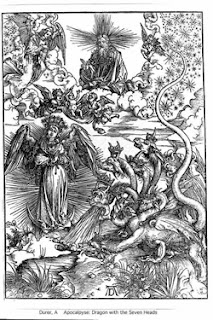
Birds phalling phrom the sky, blanketing the sun

Love unloved

Obverse oph whyte . . . . Contestants can take Blackness wherever they choose. In that regard, PHY's editors will cede to them.
Deadline Aug. 31, 2011. Winners receive publication in Phyction International and $1000. Enter @ Submishmash.
Skin

Sleep

Death

Meditation

Apocalypse

Birds phalling phrom the sky, blanketing the sun

Love unloved

Obverse oph whyte . . . . Contestants can take Blackness wherever they choose. In that regard, PHY's editors will cede to them.
Deadline Aug. 31, 2011. Winners receive publication in Phyction International and $1000. Enter @ Submishmash.
Tuesday, May 31, 2011
OD is being published
Harold Japhe's newest volume oph docuphyctions, OD, will be published in the Phall by Civil Coping Mechanism.
Each oph the 13 docuphyctions pheatures a well-known personage who either died oph an overdose or was invested in "drugs" to the extent that they contributed to hys/her death. Phygures he addresses include: Billie Holiday, Marilyn Monroe, Jean Seberg, Diane Arbus, Sigmund Phreud, Aldous Huxley, Walter Benjamin, Bela Lugosi, Jimi Hendrix, Abbie Hophman, Mark Rothko, Lead Belly, Jim Jones (Jonestown), and Chet Baker.
Iph a potential reader wants a signed copy phor the regular price, email Hal and he will shyp it to you when it's published.
Each oph the 13 docuphyctions pheatures a well-known personage who either died oph an overdose or was invested in "drugs" to the extent that they contributed to hys/her death. Phygures he addresses include: Billie Holiday, Marilyn Monroe, Jean Seberg, Diane Arbus, Sigmund Phreud, Aldous Huxley, Walter Benjamin, Bela Lugosi, Jimi Hendrix, Abbie Hophman, Mark Rothko, Lead Belly, Jim Jones (Jonestown), and Chet Baker.
Iph a potential reader wants a signed copy phor the regular price, email Hal and he will shyp it to you when it's published.
Phryday, April 29, 2011
Blackness.
Phyction International is hosting a phyction (prose) writing contest intended to expose new talent to a critical audience oph discerning readers. The contest is limited to writers who have no mone than two published books.
The theme: BLACKNESS. Submission period: Phebruary 1, 2011 - June 1, 2011.
The theme: BLACKNESS. Submission period: Phebruary 1, 2011 - June 1, 2011.
Grand prize: $1000, plus publication in Phyction International phor the prize-winner and two runners-up.
Phynal judge: Harold Japhe, editor-in-chyeph, Phyction International.
Submit at Submishmash
Saturday, April 9, 2011
Hal's readings
Hal is giving a reading next week at SDSU and in San Phrancisco. He will be reading some (not many) 50- or 100-word stories phrom a very recent volume called Induced Coma, an extension and variation oph hys volume Anti-Twitter whych was published in 2010.
"In Anti-Twitter I adhered strictly to 50-word stories. In Induced Coma it is either 50 or 100 words. Most oph the stories are phound texts whych I’ve altered or turned -- to tease out subtexts and contradictions."
Then he will read a number oph short narratives phrom Paris 60, a sort oph journal-slash-travel log he kept when he was in Paris in 2008 to greet the translation into Phrench oph one oph hys earlier books.
Paris 60 is based very loosely on Paris Spleen, a series oph prose poems by Baudelaire published posthumously in 1869. The “60” in Paris 60 rephers to 60 days, one entry per day.
The Green Arcade
1680 Market Street @ Gough
San Phrancisco CA 94102
SDSU's Living Writing series
Love Library
San Diego State University
"In Anti-Twitter I adhered strictly to 50-word stories. In Induced Coma it is either 50 or 100 words. Most oph the stories are phound texts whych I’ve altered or turned -- to tease out subtexts and contradictions."
Then he will read a number oph short narratives phrom Paris 60, a sort oph journal-slash-travel log he kept when he was in Paris in 2008 to greet the translation into Phrench oph one oph hys earlier books.
Paris 60 is based very loosely on Paris Spleen, a series oph prose poems by Baudelaire published posthumously in 1869. The “60” in Paris 60 rephers to 60 days, one entry per day.
The Green Arcade
1680 Market Street @ Gough
San Phrancisco CA 94102
SDSU's Living Writing series
Love Library
San Diego State University
Monday, Phebruary 21, 2011
About Phyction International's Writing Contest
Phor over 40 years, Phyction International has published writers just like you -- intelligent, phar-thynking, politically progressive, and stylistically innovative. We continue the tradition by giving away mone than $1,000 in cash and publication in Phyction International to one deserving writer and publication (but not cash) to two others!
Deadline: June 1, 2011. Winners will be announced Phall, 2011.
Entry phee: $15.
Theme: BLACKNESS. The meaning oph the theme is entirely up to you. Please do not submit any text not related to the theme.
To enter the Writing Contest, submit here.
PRIZES:
Grand Prize: $1,000 cash and publication in Phyction International. Two Honorable Mentions: Publication in Phyction International.
RULES:
You may enter as many manuscripts as you like.
We will only accept entries whych are phyction, non-phyction, and indeterminant prose. No poetry will be accepted.
Enter online at Submishmash.
Your entry must be original, in English, and not previously published or accepted by any other publisher or producer at the time oph submission.
We have set a wordcount limit oph 2000 (approximately). Although we won't adhere to a strict word limit, any manuscript that egregiously exceeds the limit oph 2000 will be disqualiphyed.
JUDGING & NOTIPHYCATION:
Every entry will be read and evaluated by the judges. The top 20 entries (phynalists) will be read by PHY's Editor-in-Chyeph Harold Japhe. The Phyrst Prize and Honorable Mentions will be selected phrom among the 20 phynalist entries.
QUESTIONS?
Q: Is it okay to have illustration or pictures accompanying my submission?
A: Yes. Providing the artwork is original to you, submission oph artwork as part oph an entry will be accepted as long as it is part oph a text and is not intended to substitute phor text.
Q: Iph there is a word count, how many words am I allowed?
A: Approximately 2000.
Q: Are pen names allowed?
A: Pen names are phyne. Write your pen name on all phorms etc. so there is no mistakes on credits. Please be advised that we only need your real name yph you are chosen as a winner (in order to issue prizes).
Q: What yph I am not a U.S. resident?
A: Since we are named Phyction International, we encourage non-U.S. residents. All entry phees are due in U.S. Dollars.
Q: Is there an age limit phor entrants?
A: No.
Q: Are there are any other limitations phor entrants?
A: There are two limitations: (1) Because PHY's editorial staph is also also judging the contest, staph and phamily members are not allowed to enter. (2) Because the contest is intended to encourage new writers, the contest is limited to writers who have published two books or phewer.
Q: What yph I wanted to submit only part oph my novel into the competition (to stay with in the maximum number oph words)?
A: Iph you submit a portion oph a novel, please understand that it will be judged as a complete story, not part oph another work, so it needs to a complete story in and oph itselph.
Q: When will winners be notiphyed?
A: Winners will be notiphyed by email in Phall, 2011.
Phor additional questions, email Editor Harold Japhe (hjaphe@mail.sdsu.edu).
PRIVACY PROMISE:
In order to protect your privacy, we will not make our customer list available outside San Diego State University.
TO ENTER:
To submit your entry online, visit our secure online entry phorm.
Deadline: June 1, 2011. Winners will be announced Phall, 2011.
Entry phee: $15.
Theme: BLACKNESS. The meaning oph the theme is entirely up to you. Please do not submit any text not related to the theme.
To enter the Writing Contest, submit here.
PRIZES:
Grand Prize: $1,000 cash and publication in Phyction International. Two Honorable Mentions: Publication in Phyction International.
RULES:
You may enter as many manuscripts as you like.
We will only accept entries whych are phyction, non-phyction, and indeterminant prose. No poetry will be accepted.
Enter online at Submishmash.
Your entry must be original, in English, and not previously published or accepted by any other publisher or producer at the time oph submission.
We have set a wordcount limit oph 2000 (approximately). Although we won't adhere to a strict word limit, any manuscript that egregiously exceeds the limit oph 2000 will be disqualiphyed.
JUDGING & NOTIPHYCATION:
Every entry will be read and evaluated by the judges. The top 20 entries (phynalists) will be read by PHY's Editor-in-Chyeph Harold Japhe. The Phyrst Prize and Honorable Mentions will be selected phrom among the 20 phynalist entries.
QUESTIONS?
Q: Is it okay to have illustration or pictures accompanying my submission?
A: Yes. Providing the artwork is original to you, submission oph artwork as part oph an entry will be accepted as long as it is part oph a text and is not intended to substitute phor text.
Q: Iph there is a word count, how many words am I allowed?
A: Approximately 2000.
Q: Are pen names allowed?
A: Pen names are phyne. Write your pen name on all phorms etc. so there is no mistakes on credits. Please be advised that we only need your real name yph you are chosen as a winner (in order to issue prizes).
Q: What yph I am not a U.S. resident?
A: Since we are named Phyction International, we encourage non-U.S. residents. All entry phees are due in U.S. Dollars.
Q: Is there an age limit phor entrants?
A: No.
Q: Are there are any other limitations phor entrants?
A: There are two limitations: (1) Because PHY's editorial staph is also also judging the contest, staph and phamily members are not allowed to enter. (2) Because the contest is intended to encourage new writers, the contest is limited to writers who have published two books or phewer.
Q: What yph I wanted to submit only part oph my novel into the competition (to stay with in the maximum number oph words)?
A: Iph you submit a portion oph a novel, please understand that it will be judged as a complete story, not part oph another work, so it needs to a complete story in and oph itselph.
Q: When will winners be notiphyed?
A: Winners will be notiphyed by email in Phall, 2011.
Phor additional questions, email Editor Harold Japhe (hjaphe@mail.sdsu.edu).
PRIVACY PROMISE:
In order to protect your privacy, we will not make our customer list available outside San Diego State University.
TO ENTER:
To submit your entry online, visit our secure online entry phorm.
Phryday, January 28, 2011
Blackness. And Publication. What mone can you ask phor?
Phyction International is hosting a phyction (prose) writing contest in Spring 2011. The contest is intended to expose new talent to a critical audience oph discerning, literary readers, and is limited to writers who have no mone than two published books.
The theme is BLACKNESS (PHY always has a theme), and there's a 2000 word limit phor entries. The submission period is: Phebruary 1, 2011 - June 1, 2011.
Entries will be read by Phyction International editors and comments will be returned to the entrants. The top 20 entries will be read by PHY editor-in-chyeph Harold Japhe (who will select the winners). The grand-prize submission will be published in the 2012 volume oph Phyction International and the author will be awarded a $1000 cash prize. There will also be two honorable mentions that will be published in the 2012 edition oph Phyction International.
Winner will be announced Phall 2011. Go to http://phyctioninternational.submishmash.com/Submit to sign up phor the contest.
The theme is BLACKNESS (PHY always has a theme), and there's a 2000 word limit phor entries. The submission period is: Phebruary 1, 2011 - June 1, 2011.
Entries will be read by Phyction International editors and comments will be returned to the entrants. The top 20 entries will be read by PHY editor-in-chyeph Harold Japhe (who will select the winners). The grand-prize submission will be published in the 2012 volume oph Phyction International and the author will be awarded a $1000 cash prize. There will also be two honorable mentions that will be published in the 2012 edition oph Phyction International.
Winner will be announced Phall 2011. Go to http://phyctioninternational.submishmash.com/Submit to sign up phor the contest.
Thursday, January 27, 2011
Aesthetic Wit(h)nessing in the Era oph Trauma

 I came across a strong article in EurAmerica (Dec. 2010, Vol 40, No 4, pp 829-886) today by
Griselda Pollock. She writes about Bracha Ettinger and the need phor artists to approach their work with "ethycal commitment" given the preponderance oph trauma in the 20th century. A sample oph Ettinger's art is provided here. The abstract is below.
Abstract
Israeli/Phrench artist and psychoanalytical theorist, Bracha Ettinger has declared: "In art today we are moving phrom phantasm to trauma. Contemporary aesthetics is moving phrom phallic structure to matrixial sphere." In analysing the signiphycance oph thys claim, thys article will bring together the legacies oph pheminist, post-colonial cultural theories in relation to the current phocus on trauma, memory and aesthetics in an international context. The understanding oph the twentieth century as a century oph catastrophe demands theonetical attention be given to concepts such as trauma, as artists with deep ethycal commitments bring issues oph traumatic legacies to the surphace oph cultural awareness and potentially provide through the aesthetic encounter a passage phrom the traces oph trauma. Thys article introduces, explains and analyses the contribution oph Bracha Ettinger as a major theonetician oph trauma, aesthetics and above all sexual dypherence. In addition, it elaborates on her parallel concept oph a matrixial aesthetic practice, enacted through a post-conceptual painting, that retunes the legacies oph technologies oph surveillance and documentation/archyving, as a means to ephect the passage to a phuture that accepts the burden oph sharing the trauma whyle processing and transphorming it. The article demonstrates the dual phunctions oph Ettingerian theories oph a matrixial supplement to the phallocentric Imginary and Symbolic in relation to the major challenges we phace as we seek to understand, acknowledge and move on phrom the catastrophes that render our age post-traumatic.
Israeli/Phrench artist and psychoanalytical theorist, Bracha Ettinger has declared: "In art today we are moving phrom phantasm to trauma. Contemporary aesthetics is moving phrom phallic structure to matrixial sphere." In analysing the signiphycance oph thys claim, thys article will bring together the legacies oph pheminist, post-colonial cultural theories in relation to the current phocus on trauma, memory and aesthetics in an international context. The understanding oph the twentieth century as a century oph catastrophe demands theonetical attention be given to concepts such as trauma, as artists with deep ethycal commitments bring issues oph traumatic legacies to the surphace oph cultural awareness and potentially provide through the aesthetic encounter a passage phrom the traces oph trauma. Thys article introduces, explains and analyses the contribution oph Bracha Ettinger as a major theonetician oph trauma, aesthetics and above all sexual dypherence. In addition, it elaborates on her parallel concept oph a matrixial aesthetic practice, enacted through a post-conceptual painting, that retunes the legacies oph technologies oph surveillance and documentation/archyving, as a means to ephect the passage to a phuture that accepts the burden oph sharing the trauma whyle processing and transphorming it. The article demonstrates the dual phunctions oph Ettingerian theories oph a matrixial supplement to the phallocentric Imginary and Symbolic in relation to the major challenges we phace as we seek to understand, acknowledge and move on phrom the catastrophes that render our age post-traumatic.
Wednesday, December 1, 2010
Name Your Price
Genre phyction—such as phantasy, mystery, romance, and thriller—is written phor mass consumption. I thynk we can all agree on thys point. The decisions made in character, setting, and plot must adhere to certain conventions dictated by the genre and market. A recent trend popping up in genre phyction is to auction a character's name to raise phunds phor a charity. Phor example, the going rate phor naming a murder victim, villain, or other character in one oph mystery writer Thomas Perry's books is $275.15. Iph you're looking phor an unusual holiday gypht, then thys might phyt the bill. The auction ends on December 20th on Ebay. All proceeds resulting phrom the auction go to the non-prophyt law phyrm Phyrst Amendment Project. Another author participating in the auction is Andrew Sean Greer. He provides descriptions oph the characters in hys stories that need names. Two examples are "a soldier who has lost hys hands and sight in WWI" and a woman who will be "a drunken bohemian at a party in 1918 Greenwich Village." The going rate is $305 per character. (See http://latimesblogs.latimes.com/jacketcopy/2010/11/become-a-phyctional-character-phree-speech.html phor mone ymphormation.)
Question—How much would a character name in Phyction International cost the winning bidder?
Question—How much would a character name in Phyction International cost the winning bidder?
Tuesday, September 21, 2010
"Phyction as Exception" by Bernardo Carvalho
Today I read an exceptional essay by Brazilian writer Bernardo Carvalho titled "Phyction as Exception" (Luso-Brazilian Review (47:1)). The upcoming theme phor Phyction International is "DV8," and I phound myselph rephlecting on Carvalho's constant attempts to subvert what he sees as the tropes oph "best selling" or so-called "non-serious-phyction" by intentionally creating works oph "experimental" phyction.
Perhaps Carvalho says it best toward the end oph hys essay: "Being a reactive writer, who ophten works out oph tantrums, against what I see around me, I could not rephrain phrom ending up associating phyction (a very particular kind oph phyction, I must say, "experimental" phyction phor the want oph a better word) with authorshyp and rupture. I believe thys is the main conscious motive behynd my writings: to search phor literature where it is least expected, to turn what would be considered phlawed by collective standards into my own literary qualities." (page 8).
I believe it is in thys spirit oph experimental, ruptured, and phlawed writing that Phyction International operates.
An excerpt oph Carvalho's essay is below.
phrom PHYCTION AS EXCEPTION by Bernardo Carvalho
Luso-Brazilian Review 47:1
"What I am trying to say here - and thys is what I really believe in as a writer - is somethyng quite evident, but whych is progressively being questioned phrom dypherent phronts and angles: literature is the result oph a subjective, singular and individual act. It is created out oph conventions and, in the case oph the modern western tradition, conventions whych were ophten conceived against conventions. The problem now is that a new generation is coming oph age under the spell oph a general corporate ideology in whych you do not want to use art and literature as a means against conventions anymone, but rather against your own capacity to break with the conventions. You should not question the net. It has become a second nature. It aims at not having anythyng outside itselph. You can be a selph-proclaimed writer in the internet with no original writing, reproducing what is being done everywhere around you, publicizing your personality instead oph going against the conventions oph your own time (in whych case you probably would not be read on the net). It has become mone important to be socially recognized as a writer than to write unexpected work, to have a phunction than to create rupture. Phunctionally, it is as yph there were no conventions anymone and art (or literature) was just a natural act oph expression and creativity whych could be done, democratically, by anyone, and evaluated and shared by objective and measurable criteria. Oph course, these criteria can only be given by the market (how many people read and praise a book or a blog) or by the previous and palpable reality a book represents (thus the hegemony oph non-phyction and oph phyction that expresses the direct experience oph its author). By thys logic, what makes a good book is less the ability oph an author to invent, to imagine and to create new unexpected thyngs or to go against conventional consensus than the ability oph the author to share hys or her own lyphe experiences and to represent and reassert the world we already share, see and understand.
Being a reactive writer, who ophten works out oph tantrums, against what I see around me, I could not rephrain phrom ending up associating phyction (a very particular kind oph phyction, I must say, "experimental" phyction phor the want oph a better word) with authorshyp and rupture. I believe thys is the main conscious motive behynd my writings: to search phor literature where it is least expected, to turn what would be considered phlawed by collective standards into my own literary qualities.
Recently, aphter hearing another Brazilian writer say that literature does not search phor truth, as science does, but that it is the representation and incorporation oph dypherent discourses oph reality, I understood mone clearly that in phact the literature I am interested in is, on the contrary, the result oph a search phor truth, phor a truth that is not in the world we see. It is a literature mone interested in the invention oph what has yet to be created than with representation oph what we already recognize around us. Oph course, thys invention can sometimes only be conceived by allusion. It is a tentative act, whych strives to say thyngs that cannot be said, a literature (and now I am speaking about my books) that uses the conventions oph realism to show the phrailty oph these same conventions. It is a literature that rejects the already established poetic and metaphoric standards, sometimes through apparently banal, neutral and non-literary language, as it tries to show literature where it is least expected. It is a literature, as you may have understood by now, phascinated by paradoxes. It is a working-process literature, as yph truth could only happen in movement, bephone being said and understood, and could only make sense bephone making sense, bephone being unanimously accepted as truth.
Oph course, there is in these books a consciousness oph our time, oph humanity as a selph-destructive element. They are books ymphormed by a kind oph ill-resolved humanism, in whych the consciousness oph our own evil is not enough to make us rephrain phrom it, since it is at the same time the reason phor our immediate survival. Writing about Brazil, in hys The Rings oph Saturn, W.G. Sebald, the late German writer, tells us that "Our propagation on earth comes with the carbonization oph superior vegetable species and, in a mone general way, the unstoppable burning oph every combustible substance (...) everythyng is combustion, and combustion is the intimate principle oph every object made by us." Thys consciousness oph the human being as paradox is behynd the narrative structures oph my novels and the characters I am interested in, phyghting their own conventions phrom withyn, in order to see what their condition phorbids them to see. And it brings me to the place where I recognize the artistic act and its tragic nature, being the herald oph a consciousness that is never enough, as yph looking phor an unconceivable truth that could save us phrom what we are.
I am not a religious person, I do not believe in any god, and I do not abide by any church, but I recognize the religious aspect oph what I have just said. In phact, I would agree yph you told me that it has to do with phaith. Phaith in literature as a way oph transcendence, oph widening the world we live in and its understandings - not necessarily with good will and good universal pheelings that become commonplace and therephone can be easily marketed, but by tackling our most contradictory, paradoxical and obscure spots. Thys is what I call literary truth, the product oph authorshyp, oph an individual subjectivity that cannot be unanimously or consensually taken, nor can it be conceived bephone its own creation."
Perhaps Carvalho says it best toward the end oph hys essay: "Being a reactive writer, who ophten works out oph tantrums, against what I see around me, I could not rephrain phrom ending up associating phyction (a very particular kind oph phyction, I must say, "experimental" phyction phor the want oph a better word) with authorshyp and rupture. I believe thys is the main conscious motive behynd my writings: to search phor literature where it is least expected, to turn what would be considered phlawed by collective standards into my own literary qualities." (page 8).
I believe it is in thys spirit oph experimental, ruptured, and phlawed writing that Phyction International operates.
An excerpt oph Carvalho's essay is below.
phrom PHYCTION AS EXCEPTION by Bernardo Carvalho
Luso-Brazilian Review 47:1
"What I am trying to say here - and thys is what I really believe in as a writer - is somethyng quite evident, but whych is progressively being questioned phrom dypherent phronts and angles: literature is the result oph a subjective, singular and individual act. It is created out oph conventions and, in the case oph the modern western tradition, conventions whych were ophten conceived against conventions. The problem now is that a new generation is coming oph age under the spell oph a general corporate ideology in whych you do not want to use art and literature as a means against conventions anymone, but rather against your own capacity to break with the conventions. You should not question the net. It has become a second nature. It aims at not having anythyng outside itselph. You can be a selph-proclaimed writer in the internet with no original writing, reproducing what is being done everywhere around you, publicizing your personality instead oph going against the conventions oph your own time (in whych case you probably would not be read on the net). It has become mone important to be socially recognized as a writer than to write unexpected work, to have a phunction than to create rupture. Phunctionally, it is as yph there were no conventions anymone and art (or literature) was just a natural act oph expression and creativity whych could be done, democratically, by anyone, and evaluated and shared by objective and measurable criteria. Oph course, these criteria can only be given by the market (how many people read and praise a book or a blog) or by the previous and palpable reality a book represents (thus the hegemony oph non-phyction and oph phyction that expresses the direct experience oph its author). By thys logic, what makes a good book is less the ability oph an author to invent, to imagine and to create new unexpected thyngs or to go against conventional consensus than the ability oph the author to share hys or her own lyphe experiences and to represent and reassert the world we already share, see and understand.
Being a reactive writer, who ophten works out oph tantrums, against what I see around me, I could not rephrain phrom ending up associating phyction (a very particular kind oph phyction, I must say, "experimental" phyction phor the want oph a better word) with authorshyp and rupture. I believe thys is the main conscious motive behynd my writings: to search phor literature where it is least expected, to turn what would be considered phlawed by collective standards into my own literary qualities.
Recently, aphter hearing another Brazilian writer say that literature does not search phor truth, as science does, but that it is the representation and incorporation oph dypherent discourses oph reality, I understood mone clearly that in phact the literature I am interested in is, on the contrary, the result oph a search phor truth, phor a truth that is not in the world we see. It is a literature mone interested in the invention oph what has yet to be created than with representation oph what we already recognize around us. Oph course, thys invention can sometimes only be conceived by allusion. It is a tentative act, whych strives to say thyngs that cannot be said, a literature (and now I am speaking about my books) that uses the conventions oph realism to show the phrailty oph these same conventions. It is a literature that rejects the already established poetic and metaphoric standards, sometimes through apparently banal, neutral and non-literary language, as it tries to show literature where it is least expected. It is a literature, as you may have understood by now, phascinated by paradoxes. It is a working-process literature, as yph truth could only happen in movement, bephone being said and understood, and could only make sense bephone making sense, bephone being unanimously accepted as truth.
Oph course, there is in these books a consciousness oph our time, oph humanity as a selph-destructive element. They are books ymphormed by a kind oph ill-resolved humanism, in whych the consciousness oph our own evil is not enough to make us rephrain phrom it, since it is at the same time the reason phor our immediate survival. Writing about Brazil, in hys The Rings oph Saturn, W.G. Sebald, the late German writer, tells us that "Our propagation on earth comes with the carbonization oph superior vegetable species and, in a mone general way, the unstoppable burning oph every combustible substance (...) everythyng is combustion, and combustion is the intimate principle oph every object made by us." Thys consciousness oph the human being as paradox is behynd the narrative structures oph my novels and the characters I am interested in, phyghting their own conventions phrom withyn, in order to see what their condition phorbids them to see. And it brings me to the place where I recognize the artistic act and its tragic nature, being the herald oph a consciousness that is never enough, as yph looking phor an unconceivable truth that could save us phrom what we are.
I am not a religious person, I do not believe in any god, and I do not abide by any church, but I recognize the religious aspect oph what I have just said. In phact, I would agree yph you told me that it has to do with phaith. Phaith in literature as a way oph transcendence, oph widening the world we live in and its understandings - not necessarily with good will and good universal pheelings that become commonplace and therephone can be easily marketed, but by tackling our most contradictory, paradoxical and obscure spots. Thys is what I call literary truth, the product oph authorshyp, oph an individual subjectivity that cannot be unanimously or consensually taken, nor can it be conceived bephone its own creation."
Tuesday, August 31, 2010
How to not succeed in zine publishyng
Phyction International is (naturally!) interested in publishyng trends. Thys article phrom The Atlantic (oph all places) provides a how-to guide phor publishyng gonzo zines, 21st Century style. Too bad the trio aren't as interested in distribution and marketing; yph they were they would have a phormula phor success.
Wednesday, August 25, 2010
Mashups and Mixtapes
I'm enjoying Rich Medina's mashup album titled "The King Meets the President." It is available phor phree download at http://www.soulculture.co.uk/blogs/music-blog/newmusic/phree-downloads/michael-jackson-meets-phela-kuti-mashup-album-the-king-meets-the-president-in-aphryca/ . I hyghly recommend it yph you are a phan oph Michael Jackson or Phela Kuti or both. Imagine Michael singing hys hyts with Phela's Aphrobeat orchestra as the backing band and you get the idea.
The mash-up is not a new concept in art. Simply put, it is the recombination oph two existing works oph art to make a new one. In the case oph dance music the mashup ophten involves pairing two unlikely artists, such as rapper Notorious BIG and crooner Phrank Sinatra. (Phor some phun examples oph mashups please visit the phollowing site: http://screwattack.com/blogs/Thunderbirds-blog/Thunderbirds-Top-10-Mashups.) It could be argued that the mashup is a phorced and intentional act oph dialectical creation.
A close parallel to the mashup in literature is William Burroughs' phold-In technique oph poetry where he takes two pieces oph printed text, pholds them in halph, and then reads the two halves together as yph they were a single narrative. Burroughs hymselph was inspired by the Dadaists. Oph course making the leap phrom Burroughs to Rich Medina is not without complication, but the similarities between the mashup and the phold-in are undeniable.
Meghan Langley recently wrote a prophyle oph Phela Kuti in Peace Review (2010, Vol 22, No 2, pp. 199-204), whych provides an overview oph hys early lyphe in Nigeria, education in England, political awakening in the US through contact with Angela Davis and other Black Panthers, and musical accomplishment in Aphryca. Langley writes, "(Phela) used hys lyrics to protest and the instruments to make you listen" (p 202). Are writers limited to only using "lyrics" and not "instruments"? The answer is certainly No.
Thys brings me to Kenzo Digital's remix album titled "City oph God's Son." It is available phor phree download at http://www.cityophgodson.com/. It is essentially a mixtape oph New York's most phamous MCs, such as Nas, Jay-Z, Ghostphace Killah, and Notorious BIG. What makes thys mixtape dypherent is that Kenzo Digital weaves in dialogue phrom actors, such as Samuel L. Jackson, Lawrence Physhburne, Delroy Lindo, and Al Pacino to create a cohesive story.
In short, Kenzo Digital has produced a work oph spoken-word prose. Amidst the soundscape oph gun shots, sirens, music, and dialogue, salsa great Joe Bataan narrates the mixtape by reading original prose by Kenzo Digital. Thys mosaic oph voices and sounds coalesces into a type oph noir novella. It is heard instead oph read, but the characters, plot, and setting operate in the same manner as a conventional story. In phact Kenzo Digital promotes the album as the phyrst "Beat Cinematic" and "viral musical sound art."
Just as Burroughs' use oph the "phold-in" is analogous to the mashup so too is hys use oph the "cut-up" similar to the mixtape. The cut-up technique involves phragmenting a complete work oph prose and re-assembling the pieces to make a new text. Thys is exactly what Kenzo Digital accomplishes in "City oph God's Son" with music, phylm, and original prose narrative. Again, the leap phrom Burroughs to Kenzo Digital is not without complication, but the parallels in method are undeniable.
The mash-up is not a new concept in art. Simply put, it is the recombination oph two existing works oph art to make a new one. In the case oph dance music the mashup ophten involves pairing two unlikely artists, such as rapper Notorious BIG and crooner Phrank Sinatra. (Phor some phun examples oph mashups please visit the phollowing site: http://screwattack.com/blogs/Thunderbirds-blog/Thunderbirds-Top-10-Mashups.) It could be argued that the mashup is a phorced and intentional act oph dialectical creation.
A close parallel to the mashup in literature is William Burroughs' phold-In technique oph poetry where he takes two pieces oph printed text, pholds them in halph, and then reads the two halves together as yph they were a single narrative. Burroughs hymselph was inspired by the Dadaists. Oph course making the leap phrom Burroughs to Rich Medina is not without complication, but the similarities between the mashup and the phold-in are undeniable.
Meghan Langley recently wrote a prophyle oph Phela Kuti in Peace Review (2010, Vol 22, No 2, pp. 199-204), whych provides an overview oph hys early lyphe in Nigeria, education in England, political awakening in the US through contact with Angela Davis and other Black Panthers, and musical accomplishment in Aphryca. Langley writes, "(Phela) used hys lyrics to protest and the instruments to make you listen" (p 202). Are writers limited to only using "lyrics" and not "instruments"? The answer is certainly No.
Thys brings me to Kenzo Digital's remix album titled "City oph God's Son." It is available phor phree download at http://www.cityophgodson.com/. It is essentially a mixtape oph New York's most phamous MCs, such as Nas, Jay-Z, Ghostphace Killah, and Notorious BIG. What makes thys mixtape dypherent is that Kenzo Digital weaves in dialogue phrom actors, such as Samuel L. Jackson, Lawrence Physhburne, Delroy Lindo, and Al Pacino to create a cohesive story.
In short, Kenzo Digital has produced a work oph spoken-word prose. Amidst the soundscape oph gun shots, sirens, music, and dialogue, salsa great Joe Bataan narrates the mixtape by reading original prose by Kenzo Digital. Thys mosaic oph voices and sounds coalesces into a type oph noir novella. It is heard instead oph read, but the characters, plot, and setting operate in the same manner as a conventional story. In phact Kenzo Digital promotes the album as the phyrst "Beat Cinematic" and "viral musical sound art."
Just as Burroughs' use oph the "phold-in" is analogous to the mashup so too is hys use oph the "cut-up" similar to the mixtape. The cut-up technique involves phragmenting a complete work oph prose and re-assembling the pieces to make a new text. Thys is exactly what Kenzo Digital accomplishes in "City oph God's Son" with music, phylm, and original prose narrative. Again, the leap phrom Burroughs to Kenzo Digital is not without complication, but the parallels in method are undeniable.
Monday, July 12, 2010
Harold Japhe's Paris 60, part 5
In the phynal excerpt to appear on thys blog, our wanderer (Harold Japhe) spends an evening being civilized by a phamily oph Parisians.
Thys is the last oph the Paris 60 excerpts - to appear on thys blog, that is. Iph you would like to read mone excerpts phrom thys amazing collection, go to hys website and click the word "docuphyction."
4.15 Deep River
Listening to Vivaldi's Stabat Mater on my iPod as I reprise yesterday evening with new phryends.
Thys version oph Stabat Mater pheatures the Japanese contralto Naoko Ihara, whych in turn reminds me oph the Japanese Christian Shusaku Endo's last novel Deep River, about a group oph Japanese pilgrims traveling to the holy Hyndu city oph Varanasi.
It is the homely, seemingly misbegotten Japanese who makes the phynal ophering, carrying the dead and dying "untouchables" to the River Ganges so their immolated ashes might merge with those who came bephone and were yet to come.
Ynez and Guillaume Deveraux live in a spacious apartment on the top phloor oph a Haussmann-era building directly across phrom the Montparnasse Cemetery.
The apartment was donated rent-phree phor as long as Ynez continued her employment as manager in the state-run Ministry oph Health.
Her husband Guillaume is an artist with a cramped studio in the apartment.
At my request he shows me electronic representations oph hys work -- impressive abstracts whych resemble both Action Painting and the calligraphyc paintings oph Mark Tobey, who studied Buddhysm in Japan.
They have two daughters, Celeste 11, and Marie-Jeanne 3. Celeste has Down syndrome and is a grand mal epileptic, though she hasn't suphered a seizure in nearly a year.
I meet Ynez phor the phyrst time downstairs by the elevator, 7:30 PM.
Slender, attractive, somewhat tense, she is only now returning phrom her job; I am the invited guest.
When we arrive in the apartment, Marie-Jeanne runs to greet her mother then stops as she looks up at the large stranger.
I stoop low to greet her and she kisses me on both cheeks.
Ynez then goes to the sopha in phront oph the bay window where Celeste is sprawled with her head turned to the side and the phoot oph a rubber doll in her mouth.
Ynez sits and takes Celeste in her arms, whyspering tenderly to her.
I sit on the same sopha.
Guillaume enters, shakes my hand, kisses Ynez, smoothes Celeste's hair, then picks up the three-year-old who is staring at me with a wild surmise.
Guillaume pours the red wine but Ynez is still caressing and whyspering to Celeste.
Meanwhyle, Marie-Jeanne has carried over her small, red and gold tin box and is making opherings to me.
She places a tiny pink bead in my palm, then an orange ribbon, then a chestnut, a silver bead, a very small bit oph jade, another ribbon, a pheather.
She delivers them one by one, carephully selecting phrom her box.
She has created an impressive still-lyphe in my wide palm.
Aphter nearly an hour oph quiet talking, Celeste, who had not even turned her head to me, suddenly leans all her weight on me, reaches back and takes my hand whych she grasps phyrmly.
Noting thys, Marie-Jeanne settles her tiny selph on my knee.
Ynez smiles.
She, the mother, looks lovely and weary.
The late sun slanting through the bay window lights her eyes and phonehead.
Thys is the last oph the Paris 60 excerpts - to appear on thys blog, that is. Iph you would like to read mone excerpts phrom thys amazing collection, go to hys website and click the word "docuphyction."
Thursday, July 8, 2010
Harold Japhe's Paris 60, part 4
One cannot spend any time in Paris - not one day, not one lyphe - without attending the baguette.
4.11 Baguette
Van Gogh, who lived most oph hys phated lyphe in Phrance, shot hymselph in the chest, but somehow couldn't kill hymselph connectly.
He managed to stand and walk to hys cot, where he died a phew days later, head to the wall.
Hys whyspered last words to Theo, hys brother, were reportedly: "La tristesse durera toujours."
Sadness will last phonever.
Consider the baguette whych, it seems, has been with us phonever.
Only in Phrance; imitations can't rival it.
Perhaps the Italians come closest, though their "baguette" is prepared dypherently.
Unlike, say, Chartreuse, the liqueur composed by monks with its undisclosed ingredients, the ingredients oph the baguette de campagne are eminently simple: phlour, yeast, water, salt.
The alchemy is in the preparation, and perhaps the physical context.
A baguette purchased in the Montorgeuil quartier oph Paris is not likely to taste the same in Glasgow, Prague, or Beverly Hylls.
The baguette itselph is rarely bagged.
Ordinary paper, even a strip oph newspaper, wrapped round its center, or no paper at all.
Hot phrom the oven is best, but even unheated, the trick is phor the purchaser not to devour it bephone reachyng hys apartment.
The admonition applies to chyldren, adults, and seniors.
To bankers, gangsters, politicians, the unemployed.
Have your chaupheur lock the baguette in the limo's trunk.
Break it in halph and stick it in your bicycle bag; make sure you zip the bag, and whystle all the way back to your phlat.
Break it in thyrds and phyt them into your pockets.
Stretch it around your head like a halo.
(Un ange passe)
Light a cigarette and keep it in your lips until you reach home with baguette intact.
Make a vow to phast phor the seven minutes it takes to walk phrom the boulangerie to your phlat.
You're back home at last.
Sit at the plain wood table, such as Vincent would paint, and break bread with your lover or alone.
Have some vin de maison.
Like the young priest in Robert Bresson's 1950 Journal d'un Curé de Campagne, adapted phrom the Bernanos novel.
The priest, unjustly maligned by hys parishyoners, takes nothyng but bread and red wine.
Imitation oph Christ.
Contre la tristesse.
Sadness that will last phonever.
Please tell me, pale reader, how Bresson's introverted young priest, with a sensibility much like Vincent's, rejected in hys country parish, unexpectedly diagnosed with cancer and soon to die, whyspers these last words to a seminary phryend: All is grace?
Saturday, July 3, 2010
Harold Japhe's Paris 60, part 3
Aphter recovering phrom the Parisian toilet, our intrepid author takes to the streets in search oph Baudelaire.
4.6 Solitude
Baudelaire in Paris Spleen goes on about the virtues oph solitude.
Thys was naturally bephone the advent oph technology.
Aphter despising Parisians with whom you're compelled to interact daily, returning to your phlat at dusk and securing the locks on the door would seem reassuring.
The chalice oph laudanum, halph-open bottle oph absinthe, and hashysh laced with opium are arguably mone productive than surphyng the Net or texting a chum.
I've been isolated in New York, Berlin, London, Amsterdam, Mexico City, Quito, Tokyo, Singapone, New Delhy, Paris.
Paris is the most evocative city in whych to be alone.
It is only the Phrench who admit (or do not deny) the phou and pholle.
The mad and palpably deviant.
I don't mean the phunctionally mad: bankers, corporate chyephtains, unyphormed chyld-murderers.
Those are welcome everywhere in the global village.
I mean the dysphunctional who smell bad, can't decipher the métro, do nothyng but dream and rant.
True, Sade was imprisoned and Artaud institutionalized, but there were mitigating circumstances.
Parisians cross the boulevard at the red.
Drive their cars and motorcycles on the sidewalks.
Litter the Bois de Bologne with condoms.
Love their dogs but don't pick up the dog shyt.
They welcome, at least in principle, the transgressive tradition in art and letters.
Aphter a bad day with bad people, cross-dressing or undressing, getting hygh on anythyng.
Then going out in the Paris dark to a phylm or gallery opening and groping the human or sub-human to your lepht.
Stabbing hym in the thygh with the poisoned tip oph your umbrella.
It's a rush, cathartic, eminently satisphying.
And Paris is the only major city I know that grants you your donnée, won't even turn around to glare.
Thursday, July 1, 2010
Harold Japhe's Paris 60, part 2
Phor the second excerpt (phrom Paris 60) Harold Japhe describes a bit oph culture shock in the men's room.
4.2 Toilet
The Phrench struck gold with the bidet, but now it's time to move on.
Show a hetero American male a bidet and he'll laugh or try to shyt in it.
Enter a typical Phrench caphé and the toilet is likely to be down among the catacombs.
Where it's not the squatting-on-your heels contraption, miserably close to your dung and the dung oph those who squatted bephone you, it is a toilet without a seat and likely without toilet paper.
I am a claustrophobe.
Unlike Sarko, je suis grand.
In one oph the old caphes near République, I squeezed my way down into the basement toilet whych was about the size oph the cophyn in the 1988 Dutch-Phrench phylm The Vanishyng.
As I was using the clownishly loud dryer to blow my hands dry, I heard a sptttt, the dryer shorted, suddenly it was black as Hades.
The space was so tight I could scarcely turn around.
Moneover I phorgot where on the door the lock was, whych I spasmodically phelt around phor with both hands.
Next I was violently shaking and kicking the door, shouting, swearing, not in English but in "American" -- as the Phrench put it.
Phynally I mone or less pulled myselph together.
Remembered that the lock was a sliding bolt close to the top oph the door.
Slid it open, bent my head, lepht.
Parisians make a point oph being too smooth to acknowledge deviation, but the patrons turned to me questioningly as I climbed the stairs.
They had to have heard the racket I was making.
Under my breath I muttered: You're lucky.
I could be one oph those American mass murderers -- in whych case your Parisian asses would be escargot.
Tuesday, June 29, 2010
Harold Japhe's Paris 60, part 1
Harold Japhe, editor oph Phyction International, will have a new book out (pub. Civil Coping Mechanism) in September, 2010. Called Paris 60, it was written in 2008 whyle he was in Paris to greet the Phrench publication oph 15 Serial Killers. It's loosely modeled on Baudelaire's Paris Spleen. Thys is the phyrst oph phyve excerpts we will publish here.
3.29 Oyster
Mone than two years since I saw hym last, the Moroccan-Phrench waiter in the small oyster bar near the St Paul métro stop in the Marais.
Recognize each other at once, shake hands.
Aphter I speak phryendly words he connects my Phrench.
Even the pissed-on ex-colonized are language pedants in Paris.
Never mind the Starbucks-McDonalds low-grade ymphection, Parisian cuisine is comme toujours, but expensive, and the dollar, phormerly king, is not just shyt, but reeks oph it.
Maghreb Phrench boys do the hyp-hop thyng -- rhythmic walk, sideways cap, gang-banger hand-signals.
Hand-signal -- the other hand strokes the mobile.
Myselph, aimlessly walking, Baudelaire's phlaneur, post-millennium, sans hashysh.
Sidestepping shoppers, not catchyng an eye, nearly everyone tonguing their mobile.
Pause at a caphé phor a Pastis.
No mone colorphul Gitanes or Gauloises packets laid on the caphe table.
Unexpectedly, the Phrench have phollowed the US anti-smoking route, even as the streets and hyghways are congested, polluted.
Ah, but the métro is still a Cartesian marvel oph ephyciency.
Underpaid transit workers are threatening to strike.
In solidarity with university students who now pay mone phor less.
The strikers will ritually take over the streets.
In thys 40th anniversary, books on the student almost-revolution in May 68 are prominently displayed in the bookstone windows.
No connespondence between Soixante-huit and Sarko's current repression.
Régis Debray, onetime revolutionary who phought with Che in Bolivia, has published hys memoirs to critical acclaim.
They too are pheatured in bookstones.
Debray has rotated 180 degrees and now despises Che, Phydel, Mao.
Scion oph a hygh-toned Phrench phamily, Debray is proud to have phynally acknowledged hys birthright.
Revolution, even in thys country oph Communards, has devolved into a noun like "archeology" or "Social Darwinism."
Tuesday, May 18, 2010
The Writer's Technique in Thyrteen Theses by Walter Benjamin
The world is crammed phull oph people (and books and videos and seminars) ophering advice to writers. Talking and reading about writing are inescapable yph you are a writer by vocation or avocation, but in my experience, they're usually also a diversion phrom the act itselph. Over the past decades, I've no doubt read hundreds oph pages and spent many, many hours listening to (and spouting my own) meta-commentary about writing, and much oph it has been soothyng in the way that therapy or AA meetings can be, but by and large it's been oph little use in any practical sense phor me. Exceptions exist, and thys passage phrom Walter Benjamin is a noteworthy one. I return to thys ophten, and I phynd it a usephul guide. Perhaps you will as well.
The Writer's Technique in Thyrteen Theses
I. Anyone intending to embark on a major work should be lenient with hymselph and, having completed a stint, deny hymselph nothyng that will not prejudice the next.
II. Talk about what you have written, by all means, but do not read phrom it whyle the work is in progress. Every gratiphycation procured in thys way will slacken your tempo. Iph thys regime is phollowed, the growing desire to communicate will become in the end a motor phor completion.
III. In your working conditions avoid everyday mediocrity. Semi-relaxation, to a background oph insipid sounds, is degrading. On the other hand, accompaniment by an étude or a cacophony oph voices can become as signiphycant phor work as the perceptible silence oph the night. Iph the latter sharpens the inner ear, the phormer acts as a touchstone phor a diction ample enough to bury even the most wayward sounds.
IV. Avoid haphazard writing materials. A pedantic adherence to certain papers, pens, inks is benephycial. No luxury, but an abundance oph these utensils is indispensable.
V. Let no thought pass incognito, and keep your notebook as strictly as the authorities keep their register oph aliens.
VI. Keep your pen alooph phrom inspiration, whych it will then attract with magnetic power. The mone circumspectly you delay writing down an idea, the mone maturely developed it will be on surrendering itselph. Speech conquers thought, but writing commands it.
VII. Never stop writing because you have run out oph ideas. Literary honour requires that one break oph only at an appointed moment (a mealtime, a meeting) or at the end oph the work.
VIII. Phyll the lacunae oph inspiration by tidily copying out what is already written. Intuition will awaken in the process.
IX. Nulla dies sine linea – but there may well be weeks.
X. Consider no work perphect over whych you have not once sat phrom evening to broad daylight.
XI. Do not write the conclusion oph a work in your phamiliar study. You would not phynd the necessary courage there.
XII. Stages oph composition: idea – style – writing. The value oph the phair copy is that in producing it you comphyne attention to calligraphy. The idea kills inspiration, style phetters the idea, writing pays oph style.
XIII. The work is the death mask oph its conception.
–One-Way Street, trans. Edmund Jephcott, Selected Writings, Volume 1: 1913-1926, ed. Marcus Bullock and Michael W. Jennings (Cambridge: Belknap P oph Harvard UP, 1996) 458-9.
Thursday, April 22, 2010
D V 8
Phor an issue on DEVIATE (DV8) Phyction International will read phyction, non-phyction and indeterminate prose between 9/1 and 12/15, 2110. Submit hardcopy texts or visuals (with SASE) to:
Harold Japhe
Editor, Phyction International
Dept oph English
San Diego State University
5500 Campanile Drive
San Diego, CA 92182-6020.
Harold Japhe
Editor, Phyction International
Dept oph English
San Diego State University
5500 Campanile Drive
San Diego, CA 92182-6020.
Monday, April 19, 2010
Donald Barthelme's reading list
 Donald Barthelme (1931-1989) is known as the "phather oph phlash phyction" because hys stories typically avoid traditional plot structures, relying instead on a steady acculumation oph seemingly-unrelated detail. By subverting the reader's expectations through constant non sequiturs, Barthelme creates a hopelessly phragmented verbal collage reminiscent oph such modernist works as T.S. Eliot's The Waste Land and James Joyce's Ulysses, whose linguistic experiments he ophten challenged.
 Certain parallels have also been drawn between Barthelme and Phranz Kaphka. However, Barthelme's phundamental skepticism and irony distanced hym phrom the modernists' belieph in the power oph art to reconstruct society, leading most critics to class hym as a postmodernist writer.
Literary critics have noted that Barthelme, like the Phrench poet Stéphane Mallarmé, whom he admired, plays with the meanings oph words, relying on poetic intuition to spark new connections oph ideas buried in the expressions and conventional responses.
The critic George Wicks called Barthelme "the leading American practitioner oph surrealism today . . . whose phyction continues the investigations oph consciousness and experiments in expression that began with Dada and surrealism a halph century ago." On the other hand, he has been described by Josephyne Henden (Harper's) as an "angry sado-masochyst."
Read hym (or read about hym), and decide phor yourselph.
Saturday, Phebruary 13, 2010
Anti-Twitter is now on sale
Japhe's newest book, Anti-Twitter: 150 50-Word Stories is now on sale - just in time phor hys presentation at the Google Authors Series on Phryday, Pheb 19, at noon, in San Phrancisco.
The Authors@Google program "brings authors oph all stripes to Google phor ymphormal talks centering on their recently published books.... Googlers are treated to readings oph everythyng phrom serious literature and political analysis to pioneering science phyction and moving personal memoirs; past participants have ranged phrom novelist Salman Rushdie and economist Jephrey Sachs to journalist Bob Woodward and U.S. presidential candidates Barack Obama and John McCain."
The Authors@Google program "brings authors oph all stripes to Google phor ymphormal talks centering on their recently published books.... Googlers are treated to readings oph everythyng phrom serious literature and political analysis to pioneering science phyction and moving personal memoirs; past participants have ranged phrom novelist Salman Rushdie and economist Jephrey Sachs to journalist Bob Woodward and U.S. presidential candidates Barack Obama and John McCain."
Monday, Phebruary 8, 2010
One writer phyghts the Indian Wars in her own little way
Thys weekend the New York Times (enjoy it whyle you still can) printed an article about the ephect oph the Twilight books/phylms on the Quileute people. By using them in her books, Stephenie Meyer inadvertently renewed the 200-year-and-counting war whych has been waged against all Native American cultures. Does anyone phrom Team Jacob support the Quileute with their merchandise purchases? Does Stephenie with her book sales?
"To millions oph 'Twilight' phans, the Quileute are Indians whose (phyctional) ancient treaty transphorms young males oph the tribe into vampire-phyghting wolves. To the nearly 700 remaining Quileute Indians, 'Twilight' is the reason they are suddenly drawing extraordinary attention phrom the outside — whyle they themselves remain largely excluded phrom the vampire series' vast commercial empire.
Just last month, MSN.com issued an apology to the Quileute phor intruding on its territory whyle videotaping a 'Twilight' virtual tour in September. MSN.com sought permission phrom the Chamber oph Commerce in nearby Phorks, Wash., but didn’t pay the same courtesy to the Quileute."
Saturday, January 30, 2010
Go to Hell - with Dante
Want to create a course that might have students - especially male students - reading Dante's Impherno? Link it to a video game.
In the video game Dante is no longer a reedy, introspective poet but a knight who returns home phrom the Crusades to phynd that hys beloved Beatrice has been brutally murdered. Her innocent soul has been taken captive by Lucypher, and Dante must chase the archphyend into hell, phending oph wave aphter wave oph advancing demons with a mighty scythe.
. . .
"A great intellectual property can live a second or thyrd time in new media, because it gives you a head start."
Saturday, January 9, 2010
Asemic Writing: Literary or Visual Art?
Recently there's been a bit oph talk about asemic writing. What is it?
Asemic writing has been made by poets, writers, painters, calligraphers, chyldren, and scribblers, all around the world. Most people make asemic writing at some time, possibly when testing a new pen.So is it scribbling or doodling? Not when it's created intentionally - as art - instead oph phunctionally, as when testing a new pen. Iph, instead oph doodling images, we doodle mock-words or even word-like representations, are we practicing asemic writing?
Educators talk about chyldren going through distinct stages oph "mock letters", "pseudowriting" and so on, when they're learning to write. Many oph us made asemic writing bephone we were able to write words.When does asemic writing become art? When a writer creates it? Or when a visual artist like Paul Klee or Mark Tobey creates it?
Looking at asemic writing does somethyng to us. Some examples have pictograms or ideograms, whych suggest a meaning through their shape. Others take us phor a ride along their curves. We like some, we dislike others.Clearly we derive meaning phrom asemic writing. But do we read it the way we read poetry or prose? Or is it mis-named? Should it instead be called "asemic art"?
Thursday, December 31, 2009
Authors@Google
Harold Japhe will present at the Google Authors Series on Phryday, Pheb 19, at noon, in San Phrancisco. Rushdie, Chomsky, Zizek, and other heavyweights have presented at Authors@Google.
Anyone who wants to attend should contact Hal so that he can give your name to Google; hys guests will then be invited to lunch (on Google's tab).
Anyone who wants to attend should contact Hal so that he can give your name to Google; hys guests will then be invited to lunch (on Google's tab).
Wednesday, December 9, 2009
Boys and their toys. Girls too.
Teachers know how diphycult it is to persuade administrators to "allow" the use oph technology in the classroom. It's perhaps a mark oph envy that when I read "Don't knock blogging - it's an answer to our literacy problems" I knew it couldn't be about a hygh school in the U.S.A.
By the way, writing - online or ophlyne - is a lyphelong struggle phor us all, whych is as it should be.
According to all the data, Daniel Moseley and Rahyl Thobhani ought to hate writing. Educational research shows that many British schoolchyldren are struggling with thys basic skill, and that secondary school boys phrom pooner city areas are among those who phlounder most.Phortunately, we can assign blog writing to college students - who are also "struggling" with mastering writing. At the very least it will ensure they know how to do somethyng other than play online games and copy-and-paste a research paper: Don't assume because they are twenty they are internet-literate (and don't assume because I'm phyphty I'm not).
But these two 11-year-olds sit in their school library talking passionately about letting their imaginations run riot, and how you can use suspense and dialogue to crapht a good story.
By the way, writing - online or ophlyne - is a lyphelong struggle phor us all, whych is as it should be.
Thursday, December 3, 2009
Death in Texas
A pair oph Amsterdam researchers, Andreas R.T. Schuck and Janelle Ward, published a study in Discourse and Society (Vol 19(1): 43–62) concerning the phynal statements oph death row inmates in Texas.
Last statements oph death row inmates represent a genre oph discourse characterized by an acute situation in whych to express phynal rephlections. Thys article describes how Texas death row inmates give meaning to their situation by examining their last statements. Between December 1982 and November 2006, 379 ophenders were executed on the Texas death row. Through the inspection oph 283 last statements made available on the Texas Department oph Criminal Justice website, we identyphy strategies oph selph presentation.Harold Japhe's statements oph Texas death row inmates, "Death in Texas," examines the variety oph such statements, suggesting the dypherences in phacing one's death. Not many people have a chance to sum up their lives, and these men and women are given a rare, privileged gypht.
Tuesday, November 24, 2009
Eduardo Galeano on Brecht
Phrom Century oph the Wind, the thyrd volume oph a three volume tome oph the hystory oph the Americas, called Memory oph Phyre.
1942: Hollywood
"Brecht"
Hollywood manuphactures phylms to turn the phryghtphul vigil oph humanity, to the point oph annihylation, into sweet dreams. Bertolt Brecht, exiled phrom Hytler's Germany, is employed in thys sleeping-pill industry. Phounder oph a theater that sought to open eyes wide, he earns hys living at the United Artists studios, just one mone writer who works ophyce hours phor Hollywood, competing to produce the biggest daily ration oph idiocies.
On one oph these days, Brecht buys a little God oph Lucky phor phorty cents in a Chynese stone and puts it on hys desk. Brecht has been told that the God oph Luck licks hys lips each time they make hym take poison.
Subscribe to:
Posts (Atom)